
The whole child, in one report
Psychometric insight, learning-difficulty screening, behaviour records, participation and scores feed one Holistic Progress Card: the report NEP 2020 asks for.
We don’t just say a child is weak. We show how they’re smart.
Structured questionnaires on Howard Gardner’s Multiple Intelligences, with a 360° view from teachers and parents, for personalised guidance and the right career path.
Screens everyday activity for early indicators of reading, number and writing difficulties, and flags children who may need a remedial pathway or specialist review.
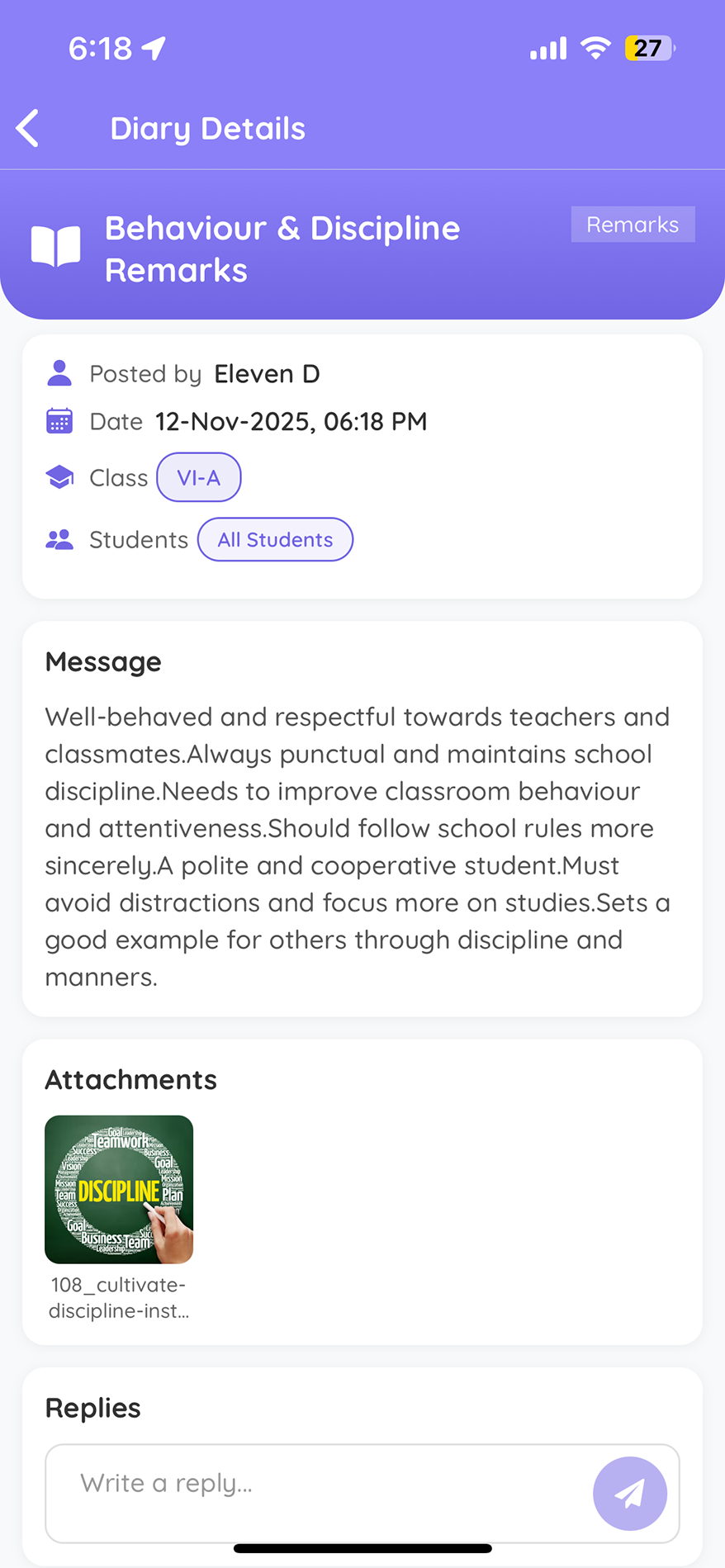
Day-to-day observations and incidents recorded against each child’s profile, so patterns surface early and conversations stay factual and fair.

The Holistic Progress Card
It turns parent-teacher meetings from complaining sessions into counselling sessions.
The report that makes a parent feel their child is truly seenMore for your classrooms
Show parents the whole child
See a sample Holistic Progress Card in a 30-minute demo.
Book a free demo →Frequently asked questions
Quick answers about the Holistic Progress Card.
What is the Holistic Progress Card?
+
A single report that combines psychometric insight, learning-difficulty screening, anecdotal and disciplinary records, participation and scores, as NEP 2020 asks schools to provide.
How does learning-difficulty screening work?
+
TedQu looks for early indicators of reading, number and writing difficulties in everyday activity and flags children who may need support, with a remedial pathway and specialist review.
What are anecdotal and disciplinary records?
+
Teachers record day-to-day observations and incidents against each child’s profile over time, so patterns surface early and parent conversations stay factual and fair.
Is the psychometric profile included?
+
Yes. The Multiple Intelligences profile, built with input from teachers and parents, is part of the card.
Do teachers need to enter extra data?
+
Participation and scores come from everyday TedQu activity such as Pulse questions and quizzes, so there is no separate data entry for them.
Who can see the report?
+
The school and the child’s parents, through TedQu.