We show how every child is smart
Structured questionnaires based on Howard Gardner’s Multiple Intelligences, with a 360° view from teachers and parents. Each child’s strengths are profiled for personalised guidance and the right career path.
The camel and the horse
On the racetrack, the horse wins every time. The camel looks slow and awkward beside it.
Take both into the desert, and the horse struggles within miles while the camel carries its load safely across. Neither animal is better. Each is built for a different terrain.
Every child is built for a terrain of their own. TedQu helps schools find it, measure it and grow it.
Many ways to be smart
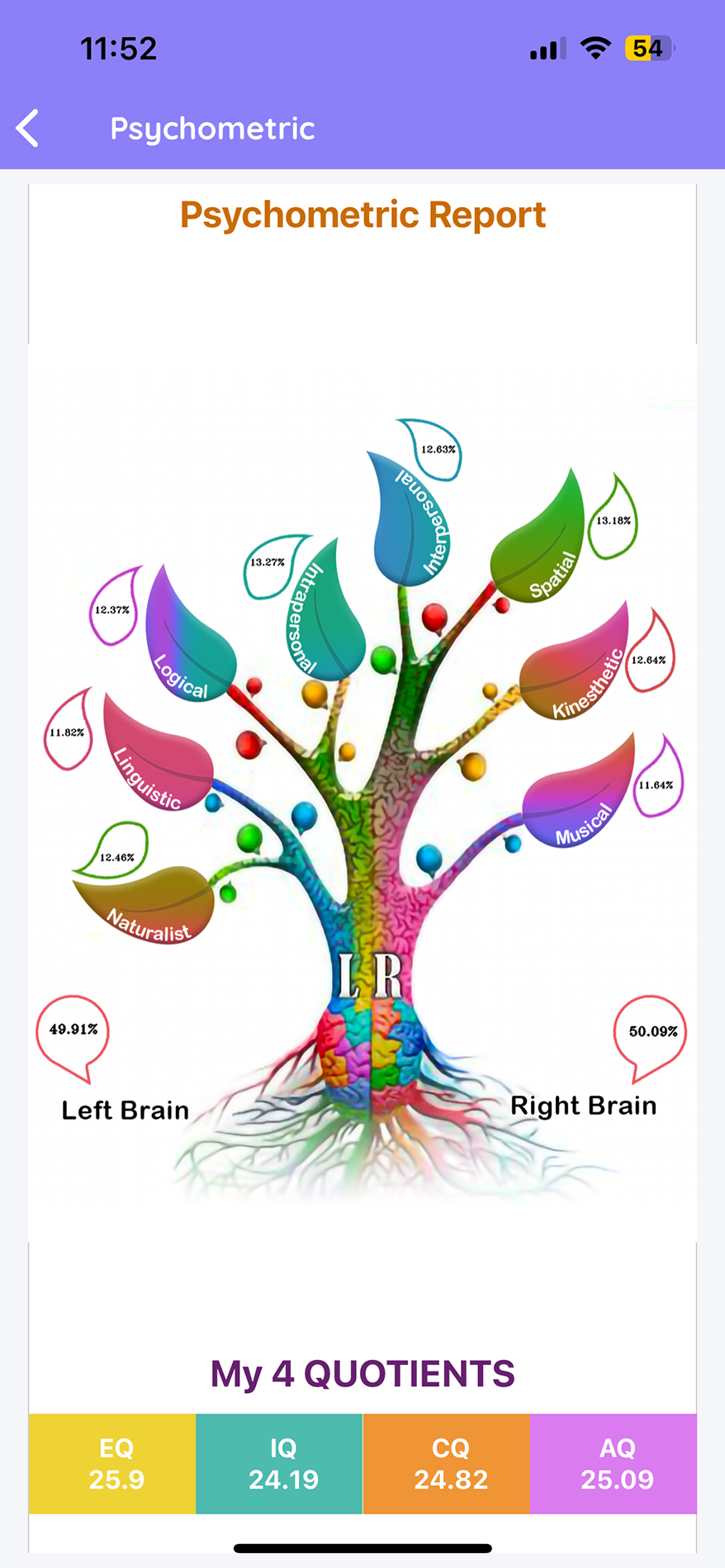
Based on Howard Gardner’s theory, the assessment profiles each child across the intelligences.
From questionnaire to guidance
Structured questions based on Multiple Intelligences.
Teachers and parents add their observations.
Each child’s strengths are mapped in a clear report.
Personalised teaching and the right career path.
Part of one picture of every student
How each child is smart, from a 360° view.
Early indicators of reading, number and writing difficulties, flagged for support.
Observations and incidents recorded over time, so conversations stay factual and fair.
All three feed the Holistic Progress Card, the report the NEP asks for.
More for your classrooms
Show parents how their child is smart
See a sample psychometric report in a 30-minute demo.
Book a free demo →Frequently asked questions
Quick answers about TedQu psychometric assessment.
What is the TedQu psychometric assessment?
+
A structured questionnaire based on Howard Gardner’s Multiple Intelligences that profiles each child’s strengths, with input from teachers and parents.
Which intelligences are covered?
+
Linguistic, logical, kinesthetic, musical, interpersonal and more, across Gardner’s multiple intelligences.
Who contributes to the assessment?
+
Teachers and parents both contribute, giving a 360° view of the child.
How is the result used?
+
To guide personalised teaching and help choose the right career path, and as part of the Holistic Progress Card.
Is it aligned with NEP 2020?
+
Yes. It feeds the Holistic Progress Card that NEP 2020 asks schools to provide.
How is this different from marks?
+
Marks show how a child performs in tests. The psychometric profile shows how a child is smart, so a child is never simply labelled weak.